Dinner for Breakfast: A Trend or a Tenet of Traditional Medicine?
Each of us has countless dietary decisions to make per day, and lately my social media feed is bombarded with fast paced Instagram reels about how people have maintained their glucose levels, stopped bloating or have managed to lose weight by having “dinner for breakfast”. I feel inundated with celebrity doctors, nutritionists or actual celebrities preaching from their instagram or podcast pulpits almost vehemently about enzymes, intermittent fasting, probiotics, prebiotics, soil, hormones, vagus nerve vibrators, glutathione, colostrum, creatine, CoQ10, raw milk, sun light, red light, blue light, magnesium and the interminable list goes on and on. It’s enough to make anyone feel like they’re failing at life. These aggressive bursts of informative shaming are usually prefaced with a condescending, “If you’re not doing this…” or “Did you know that if you…”, which hooks your delicate ego right in, of course. Without taking any of these ads seriously, I already have supplement and “bio hacking” fatigue. I know I sound like a hater. I’m not. I love this stuff, but there’s a time and place for these dietary changes and supplements (which I’ve done), but what Westerners don’t seem to know is that the in Vogue concept of having “dinner for breakfast” has been around for eons, and is a tenet of traditional medicine that can help you get many of these important nutrients on your own when you eat at the right times and in the right amounts.
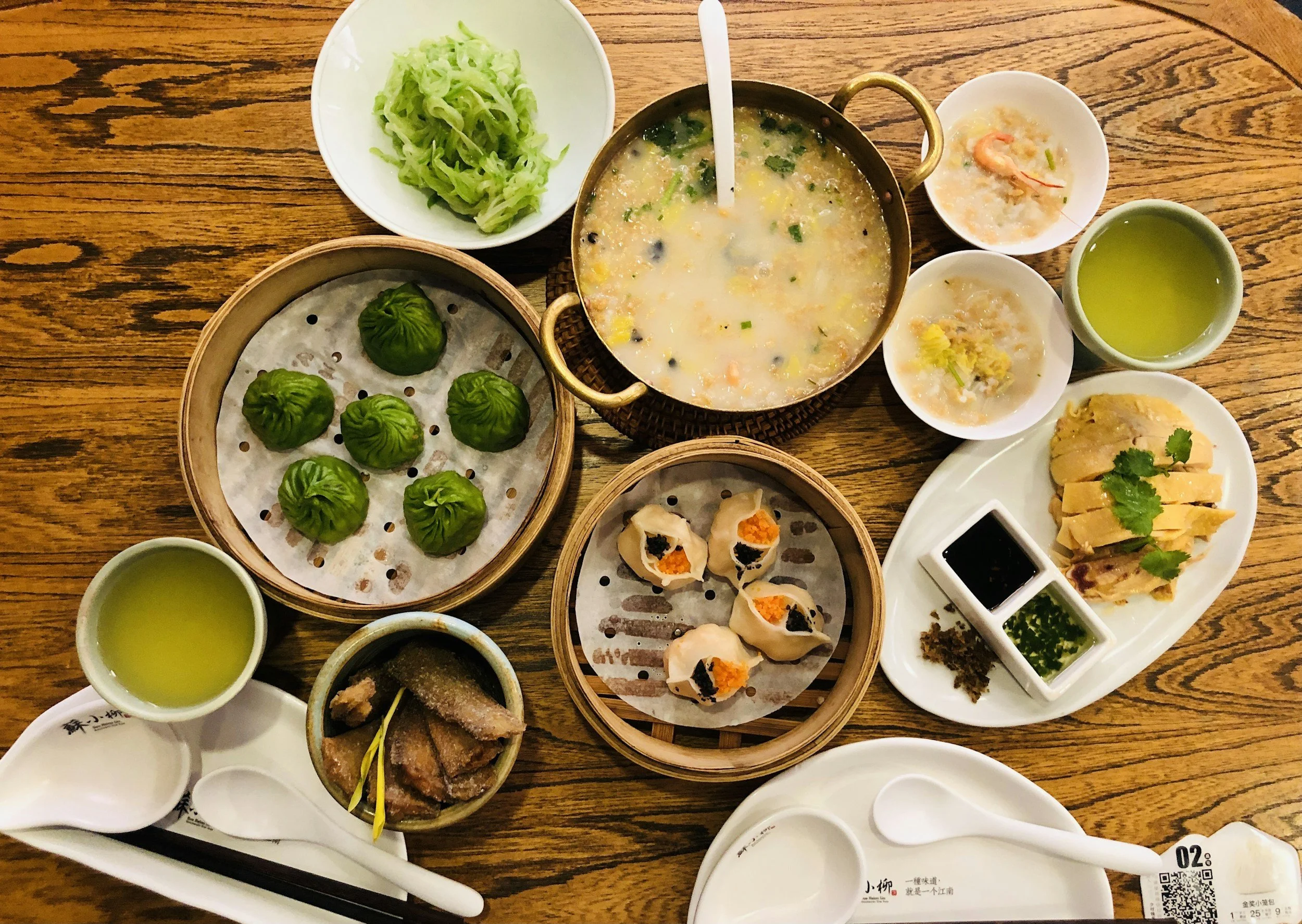
So what if we did eat like the ancient teachers in harmony with the cycles of nature? Maybe we wouldn’t need all these extra things because the imbalance in the organism would have never occurred in the first place. In traditional medicine prevention is paramount. In my doctorate program on traditional Chinese medicine and herbology, one of the first things they taught us in Fundamentals 101 was the clock of the flow of qi (primordial energy or life energy). It is a clock that is used for telling at which time any given organ is at its optimum energetic peak, or maximum level of qi. It just so happens to be that the stomach functions at its peak between the hours of 7AM and 9AM, and the last thing we should do is pour cold food and drink onto the stomach’s digestive furnace first thing in the morning which needs to stay hot to burn up our foods for the rest of the day. The ancient Chinese practice of eating warm savory foods in the morning is aimed at preventing disease and promoting health by working in rhythm the body’s natural energy cycles.
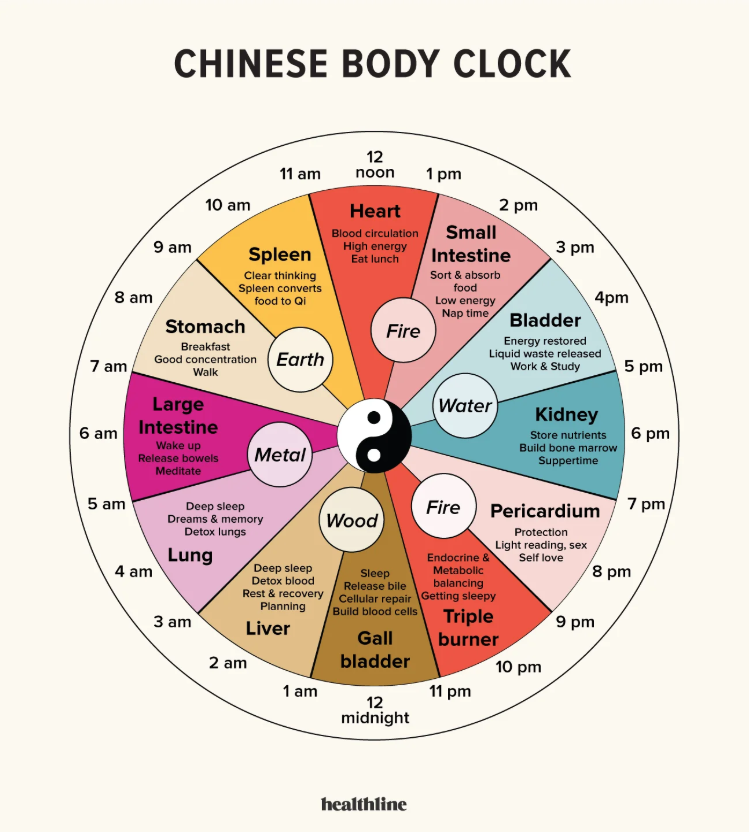
And what time do most of us eat dinner, dessert AND SNACK (that dreadful American word)? At exactly the opposite time of the stomach’s peak performance and often while watching obnoxious amounts of television. As healthcare provides we wonder why people in the U.S. are getting sick and depressed. To me the reason seems so intuitively obvious that these preventable epidemics are inextricably linked and directly proportional to our drifting away from the cycles of nature. At night most of us indulge in fatty fast foods, eat alone, doom scroll, and probably imbibe a beer or two, increasing the workload on the stomach and the intestines just as the body should be going into rest and repair for an opportunity to get some good autophagy time, the true time of intermittent fasting.
-Also, I don’t get everyone’s obsession with intermittent fasting. When you sleep you are not eating. That is fasting, and that’s why it’s called break-FAST-
Anyway, we wonder why we have cavities, acid reflux, obesity, insomnia and poor gut health. We’re not working with the body, we’re working against it. In the morning, smelling food initiates digestion creating a cascade of activation that primes the GI pump for the rest of the day. First, saliva laden with amylase (the enzyme that breaks down carbohydrates) begins digestion in the mouth, and ample amounts of chewing triggers the vagus nerve to tell the stomach to secrete hydrochloric acid and then the chime enters the small intestine which then begins the bulk of the absorption, and so on. Myofunctionally speaking, the chewing and swallowing drives fluid throughout the head, face and neck and decompresses cranial strain patterns helping to clear the ears and sinuses, move lymph and cerebral spinal fluid in glymphatics. Needless to say, it’s a lot of work! So why on earth would we start this process at 7pm?
So one can gather that consuming cold raw smoothies for breakfast followed by a heavy late dinner is completely antithetical to what the ancients considered a healthy way of eating.
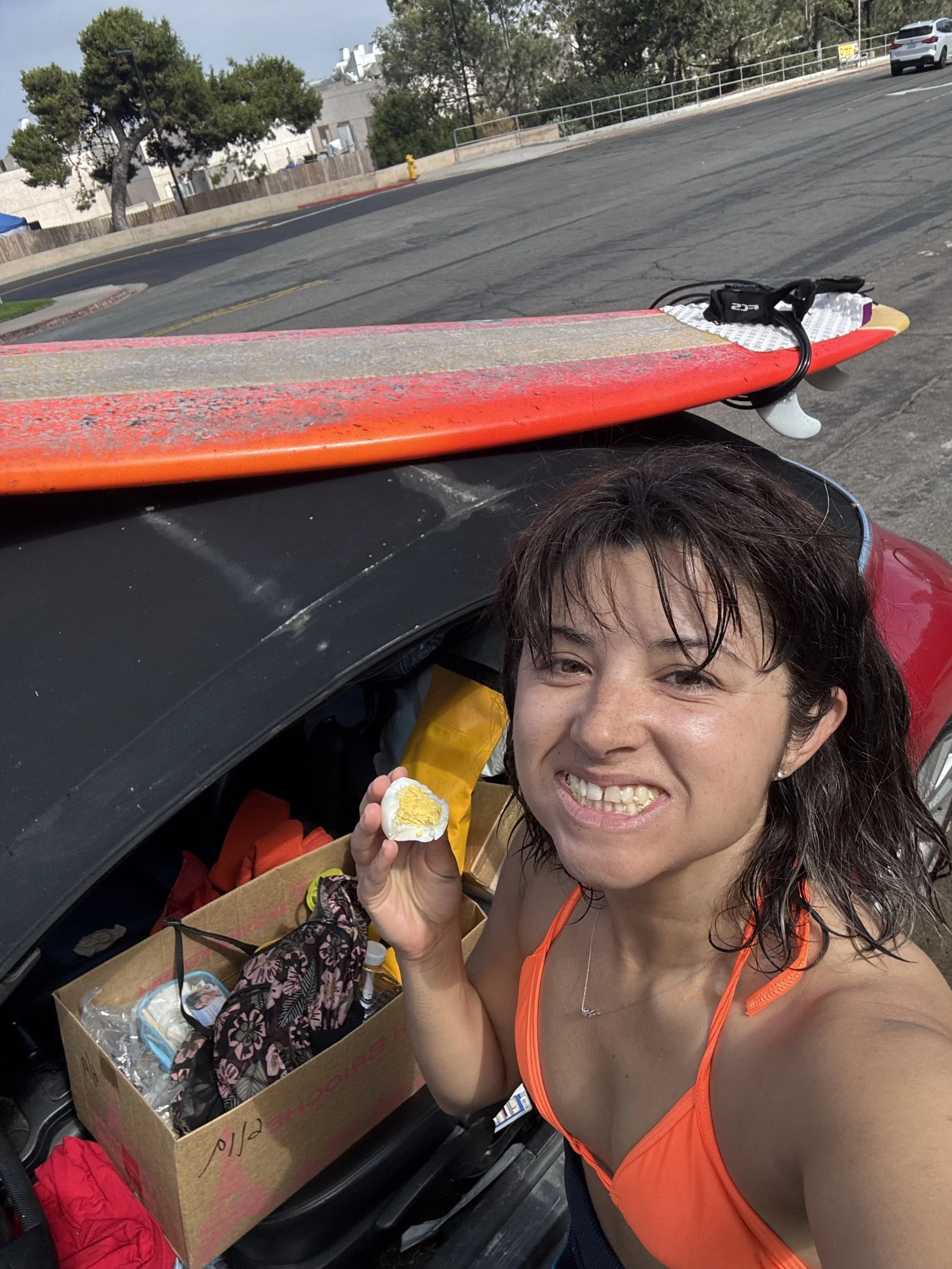
Boiled eggs for the win!
Here are some examples of what I eat for my GF breakfast:
Boiled eggs, nuts and room temperature fruit
Sardines with roasted sweet potato and purple onion
Home made chicken or shrimp congee
Trader joe’s bibimbap with roasted chicken or fish
Butter on a GF Norwegian cracker
Left over Chicken tiki masala or Palak paneer
Sautéed vegetables on the iron skillet with a poached egg on top
Cubed soft tofu soaked in GF soy sauce and steamed or sautéed with spring onion
Miso soup with tofu and spring onion (especially after a cold surf or ski session)
A fat slice of homemade almond flour bread enriched with bone broth protein powder
Here are foods I avoid for breakfast:
Gluten
Cold yogurt
Cold Smoothies
Cold cereal
Cold fruit (let it get to room temp)
Iced coffee
“Power bars”
Frozen berries
Cold chia pudding
Any highly processed packaged foods
“Fasting”
So yeah, I say follow the old adage that goes, “In the morning eat like a king, in the afternoon eat like a prince, and in the evening eat like a pauper”. And if you start having dinner for breakfast, good for you, and maybe skip the wine.